Three-tab shingles
A regular pattern gives a flatter, more uniform appearance. Product availability and the project’s performance requirements matter alongside the budget. They are not a universal matching option for every existing roof.
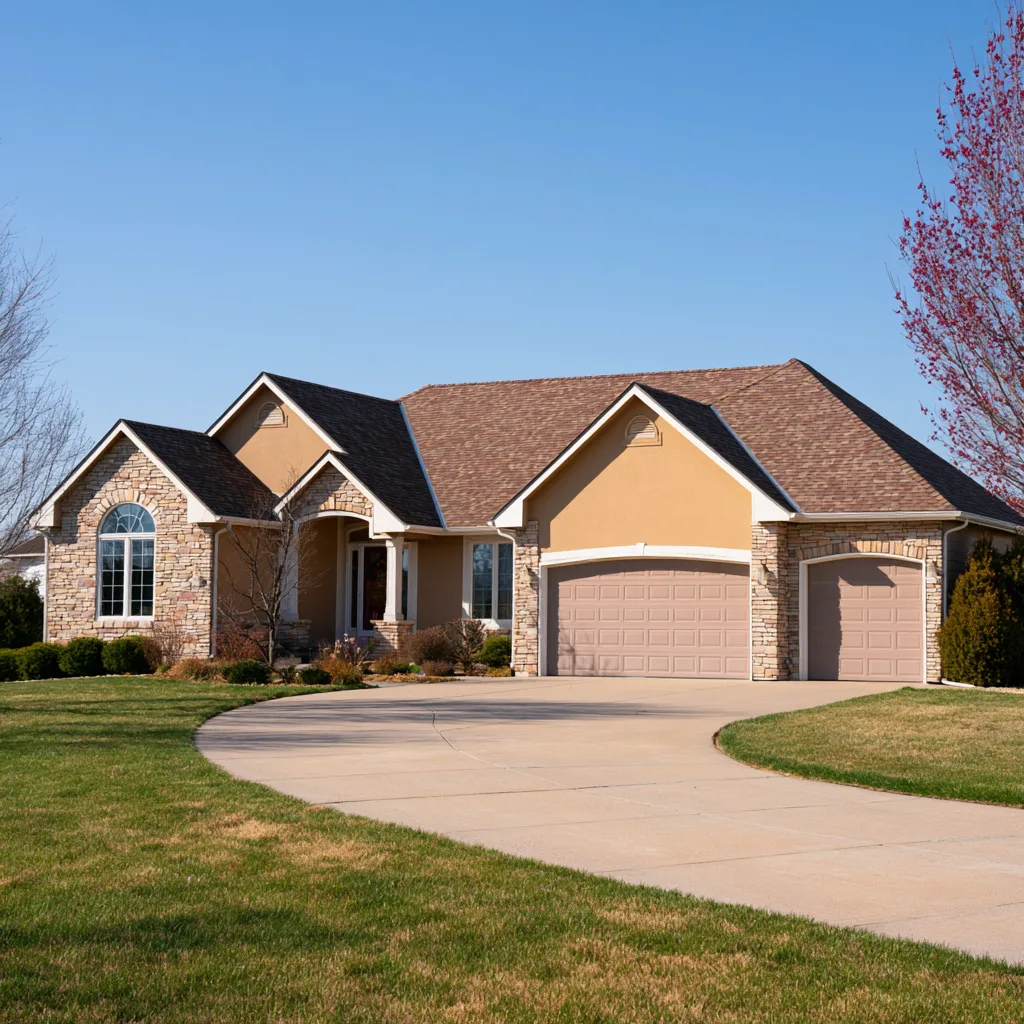
Compare asphalt shingle styles, impact ratings and budgets with the roof itself in view. A material choice works best when its installation and supporting details are considered together.
A roof color is easy to notice from the street. The differences in shingle construction, impact rating and the work beneath the covering are less obvious, but they affect the decision just as much.
Start with the appearance you want, then consider which products fit the roof’s slope, the surrounding materials and the project budget. This guide keeps those choices connected without treating one rating or warranty label as the whole answer.
These categories answer different questions. Three-tab and architectural describe construction and appearance; an impact rating describes tested performance and can apply to selected products.
A regular pattern gives a flatter, more uniform appearance. Product availability and the project’s performance requirements matter alongside the budget. They are not a universal matching option for every existing roof.
Laminated layers create a more dimensional profile and varied shadow lines. The look and color blend differ by product. Architectural construction by itself does not establish a particular hail-impact rating.
The rating describes performance under a defined test. It can be a useful selection factor, but it does not make the roof immune to hail or establish a specific insurer discount. Product and policy requirements need separate attention.
Shingles are the visible covering, not the entire roof system. They rely on suitable decking, underlayment, flashings and fastening. At a wall or chimney, the material choice cannot compensate for a connection that directs water behind the roof.
Slope determines suitability. A lower porch roof or addition can need a different covering from the main roof, even when the owner wants the colors to work together. The actual pitch and the selected product’s requirements should be established before the material is settled.
Ventilation belongs in the same discussion. Intake and exhaust need a workable path through the existing building arrangement. A product upgrade should not distract from blocked intake or damaged supporting layers that the replacement work can address.
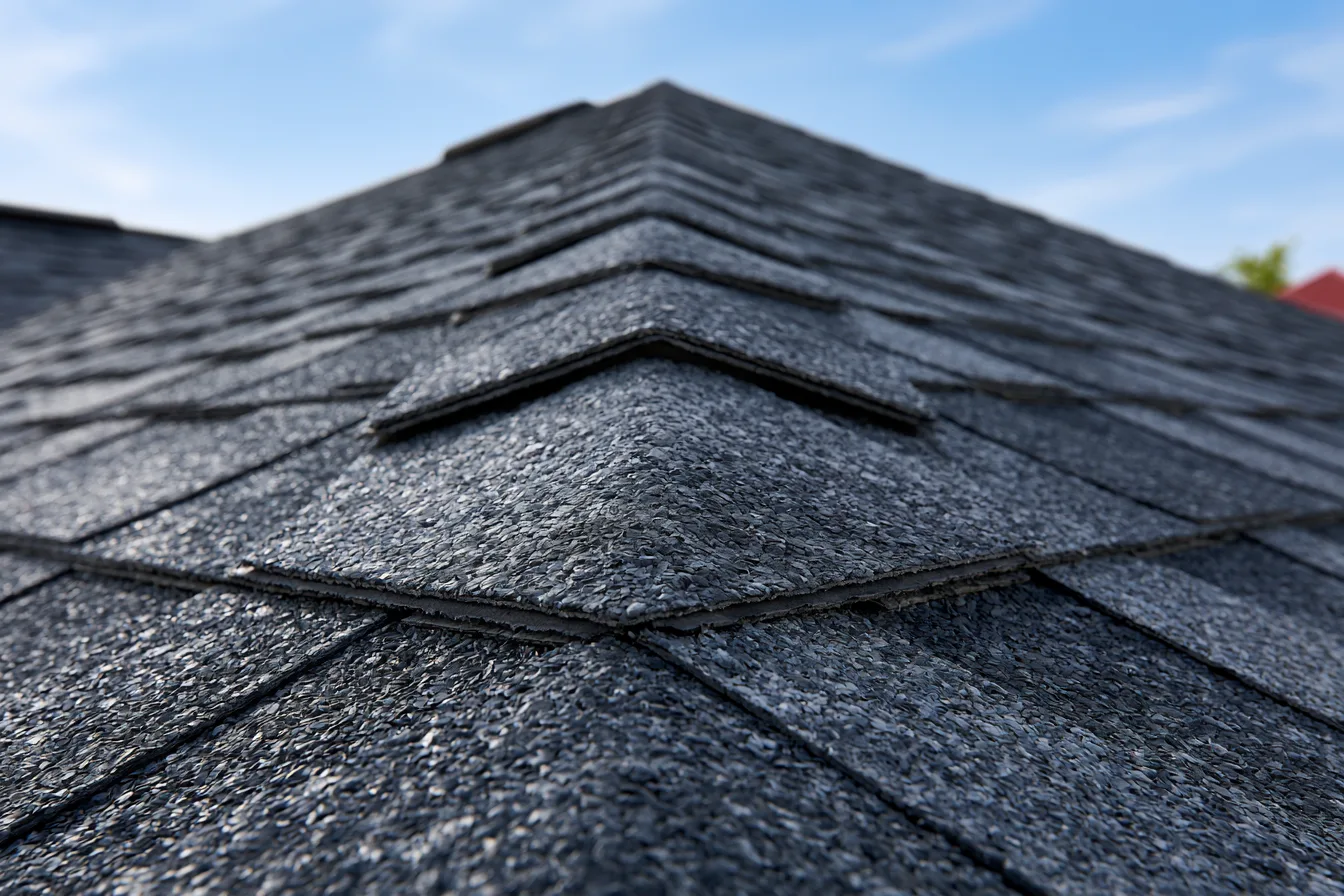
Using one example roof separates the published material bands from changes in roof size. The figures below apply to 2,000 square feet of roof surface, not living area.
| Choice | Published DFW installed band | 2,000 sq. ft. planning total |
|---|---|---|
| Three-tab | $3.50–$5.00 / sq. ft. | $7,000–$10,000 |
| Architectural | $5.00–$8.00 / sq. ft. | $10,000–$16,000 |
| Class 4 impact-rated | $6.50–$10.00 / sq. ft. | $13,000–$20,000 |
DFW installed budgets include materials, labor, ordinary tear-off, disposal and permits. Hidden damage, access and roof design can add work.
No. A laboratory impact rating describes a test result. Real storms, roof condition and installation vary, so the rating should not be read as a guarantee against damage.
Color and product properties can affect solar heat absorption, but attic insulation, ventilation, air leakage and the building itself also matter.
A compatible product may be available, but weathering, changed blends or discontinued materials can leave a visible difference. Matching appearance and making a sound repair are related but separate considerations.
No. Material warranties and workmanship terms address different things and contain their own requirements and exclusions. The selected product and installer agreement determine the actual coverage.
That depends on the insurer, policy and qualifying product or installation requirements. Confirm eligibility before relying on a discount in the project budget.
Bring the look you prefer and the roof concern you want to solve. Start with a free inspection and discuss the material as part of the whole project.