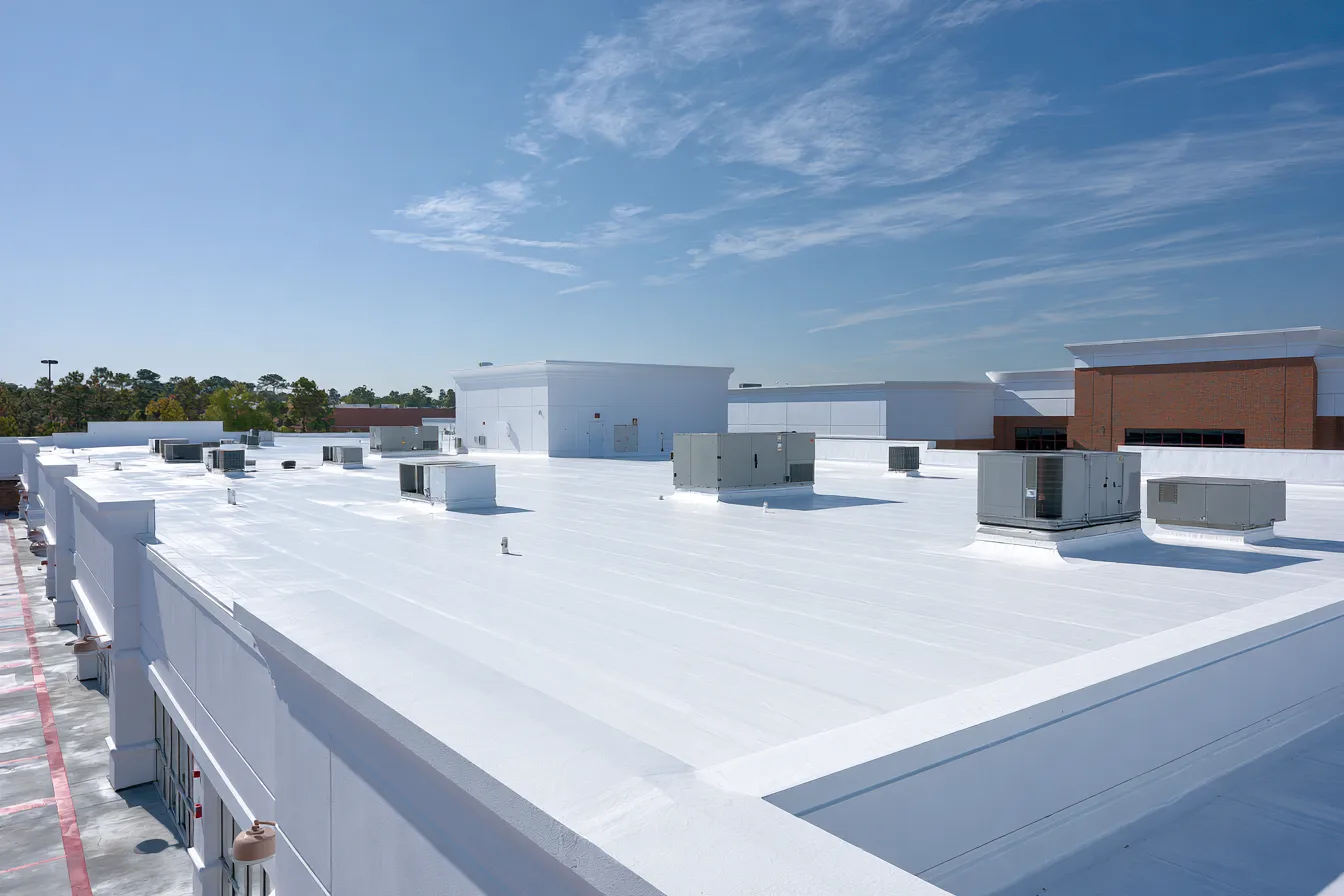
TPO roofing
Evaluate welded seams, membrane repairs, attachment and replacement of a single-ply roof assembly.
Explore TPO roofing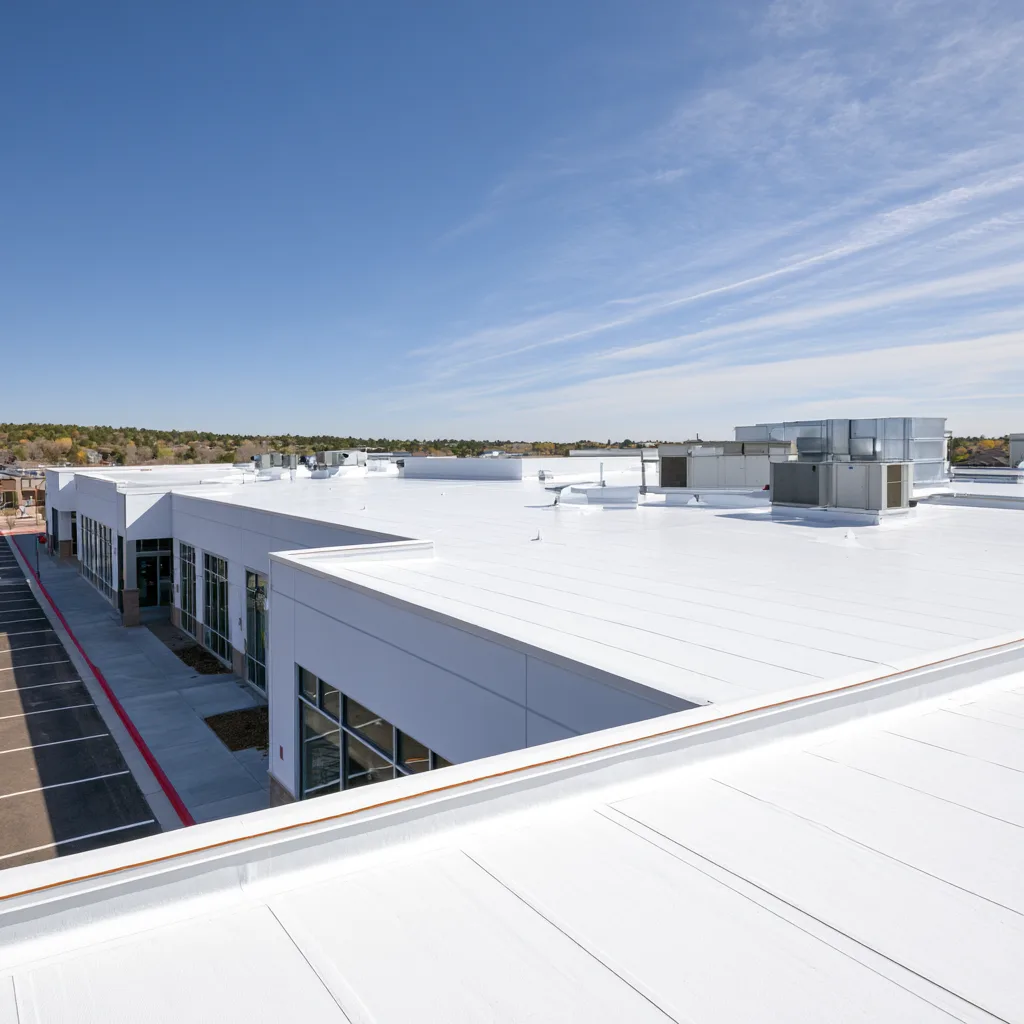
Protect the space under your roof while planning the work above it. Commercial roof repair, TPO roofing and coatings for Farmers Branch properties start with the existing assembly and the building’s use.
A commercial roof problem can interrupt a shop, office or tenant space long before it becomes a whole-roof project. The first question is where water is entering and how far it has affected the roof assembly. The next is how to perform the work around the people, equipment and access routes the building depends on.
We help property owners and managers consider repairs, restoration and replacement as different scopes. A sound membrane with one failed curb detail is different from a roof with widespread wet insulation. Covering both with the same new surface would leave very different risks underneath.
The assessment should connect roof findings to a usable work plan: the repair boundary, the layers that can remain, the drainage arrangement and the practical limits of working over occupied space. Start with a free inspection and a description of how the building is used.
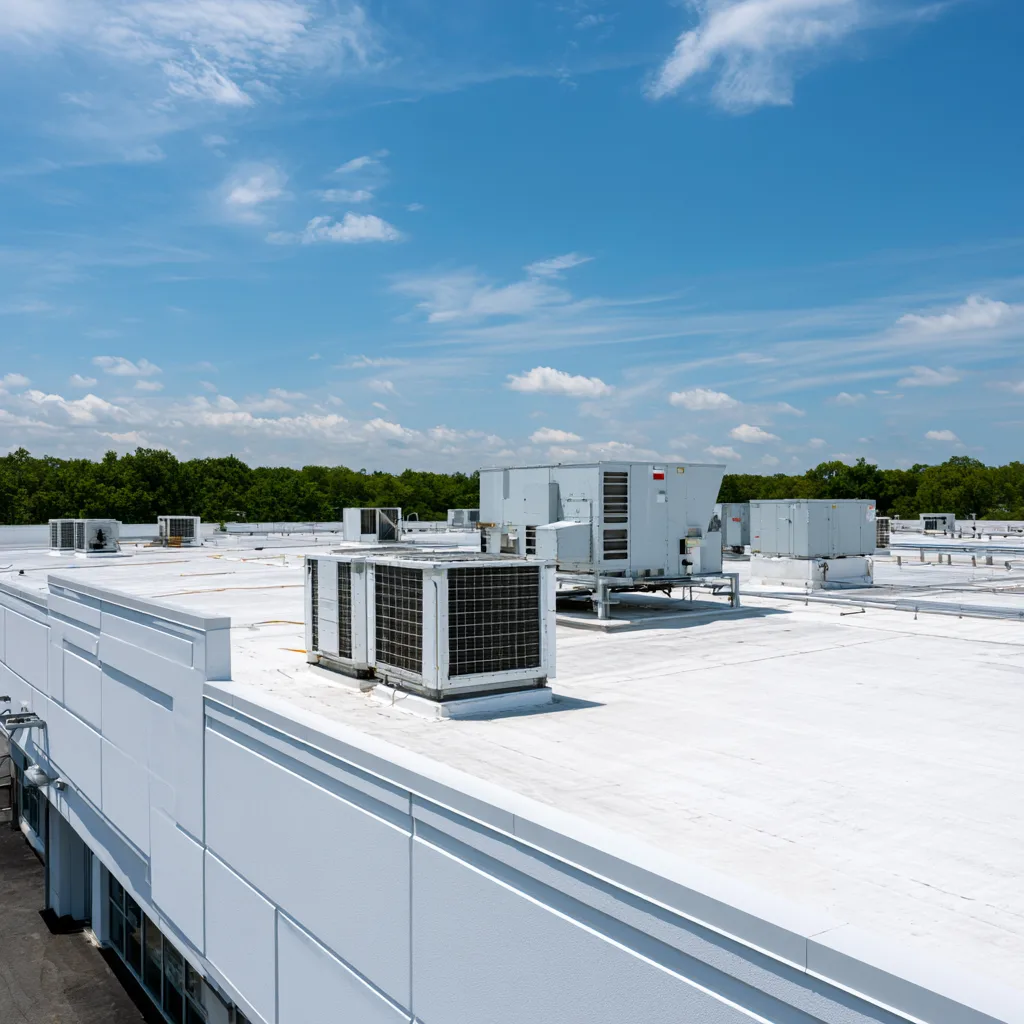
Go directly to the system or concern you have. Each page explains the work and the conditions that affect whether it is a useful choice.
Evaluate welded seams, membrane repairs, attachment and replacement of a single-ply roof assembly.
Explore TPO roofing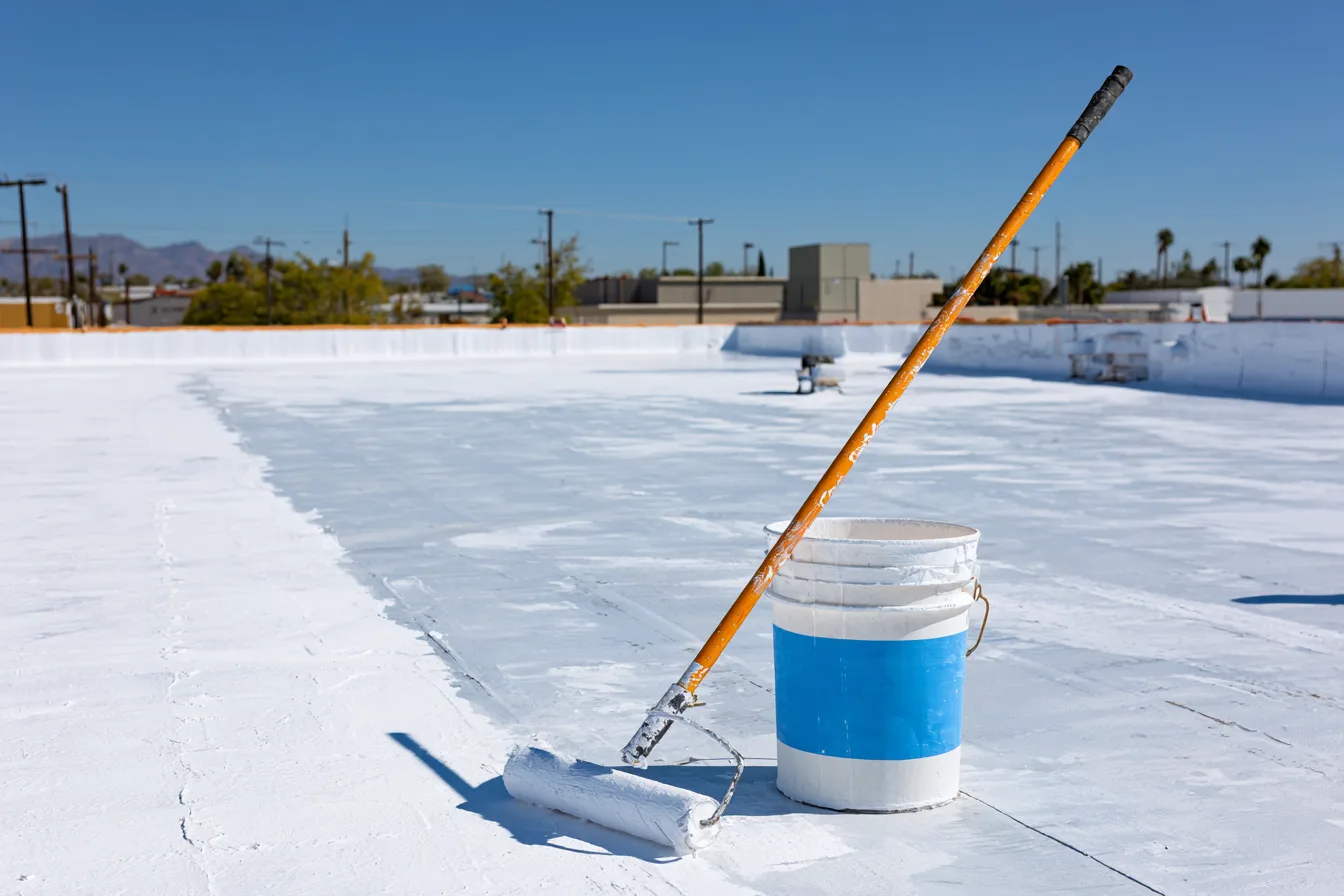
Consider restoration only after the existing roof’s moisture, attachment, compatibility and repair needs are understood.
Explore roof coatings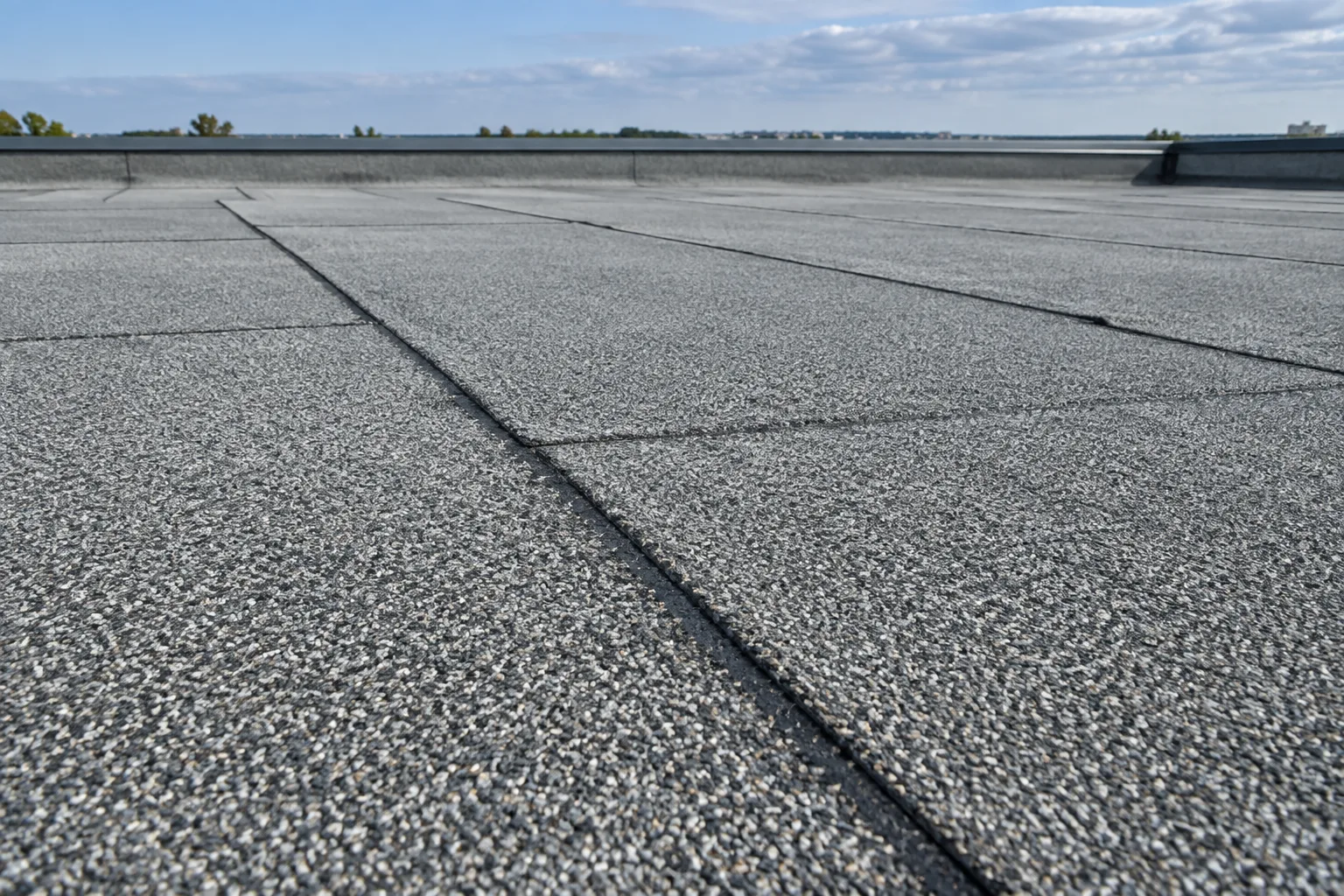
Trace leaks at seams, curbs, penetrations and drains, then define the repair and its operating constraints.
Explore flat roof repairThe visible surface is only one layer of the decision. A roof’s moisture condition, deck, insulation, attachment and drainage affect what can be kept. Previous coatings or repair materials also influence compatibility.
An assessment may need further investigation beneath the surface to establish those conditions. If the assembly is unknown, the next step is to resolve it before presenting restoration or a recover as a settled choice.
A localized failure can be repaired when the surrounding assembly is sound and the repair material is compatible. The work should include affected wet or damaged supporting material within that boundary.
A suitable existing roof may accept a coating system after its repairs and preparation are complete. Restoration does not replace deteriorated decking, remove wet insulation or correct the roof’s drainage geometry by itself.
Widespread deterioration, trapped moisture or inadequate attachment can make replacement the useful option. The scope must explain the retained layers, any removal, insulation and drainage changes, and the new system’s connections.
Roofing above an occupied building needs a plan for the activity below and beside it. Deliveries and debris handling can affect loading areas, parking and entrances. Noise, dust or odors may matter differently in an office, a shop or a tenant’s sensitive workspace. Discuss those operating needs before the work sequence is set.
Rooftop equipment adds another set of connections. Access for service staff, temporary equipment coordination and protection of newly completed areas should be resolved alongside the roofing scope. Where work opens the assembly, the daily weather protection and sequence need to fit what can be made watertight.
Material staging, debris routes and entrances that need to remain usable.
Tenant requirements, rooftop service access and sensitive activity below.
Roof areas opened, weather protection and how the work transitions between areas.
A clear commercial scope links the roof findings to decisions the owner can act on.
Existing roof records can help identify the system and previous work. They are useful background rather than a substitute for examining current leaks, drains and details.
Assess membrane condition, attachment, moisture and the supporting layers. Where concealed conditions remain uncertain, define the investigation needed to resolve them.
Explain why a repair, restoration, recover or tear-off fits the findings. Include drainage and perimeter details, not only the field membrane.
Connect the roof work to access, occupant needs, equipment service and project terms. That produces a more usable decision than comparing surface prices without their scope.
No. The existing assembly must be suitable for the selected system, including its moisture condition, adhesion, attachment and drainage. Required repairs come before coating, and some roofs need broader replacement.
You can still request help. The roofer will need to identify the existing materials and assembly. Missing records may increase the amount of investigation needed before a system or warranty path can be selected.
Often a work plan can account for occupied space, but the answer depends on the project, the building’s use and the affected areas. Discuss restrictions, noise, access and sensitive operations before settling the sequence.
The area, deck and insulation condition, tear-off, attachment, drainage, perimeter details, equipment and access all matter. A surface-only square-foot figure can leave out substantial work needed to make the assembly function.
The manufacturer and installer may provide different coverage under separate terms. Product choice, assembly, installation requirements, inspections and the contractor’s written agreement determine what is available. The proposal should identify the coverage and responsibilities for the selected system.
Tell us the property location, how the building is used and what you have noticed at the roof or inside. Request a free commercial roof inspection.