When a recover may fit
The retained assembly must be dry, sound, adequately attached and compatible with the proposed system. Deck capacity, existing layers, applicable requirements and the roof’s present condition all affect the decision.
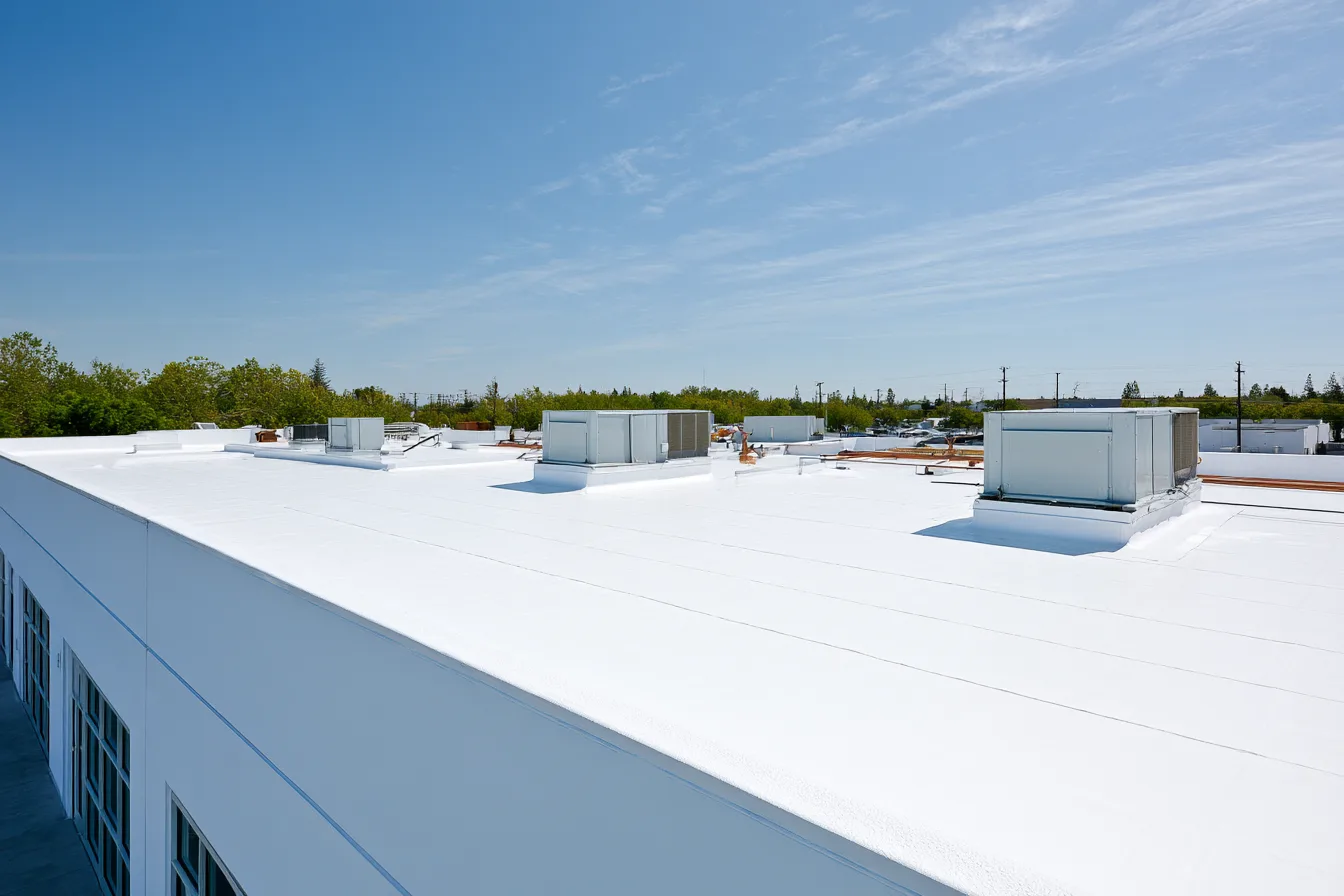
TPO roofing depends on more than the white sheet you can see. Plan membrane repairs or replacement around the seams, attachment, insulation and drainage of your Farmers Branch building.
TPO is a single-ply roofing membrane used on low-slope buildings. The sheets are joined with heat-welded seams and connected around drains, curbs, walls and other interruptions. The completed roof also depends on the insulation, supporting deck and way the system is attached.
A repair may address a puncture, opened seam or failed detail without replacing a sound surrounding roof. A replacement needs a broader assembly plan. In either case, identifying the material and the layers below it comes before choosing a patch or a new membrane.
A white surface can reflect sunlight. A useful TPO project also addresses the membrane, moisture and drainage conditions at your property.
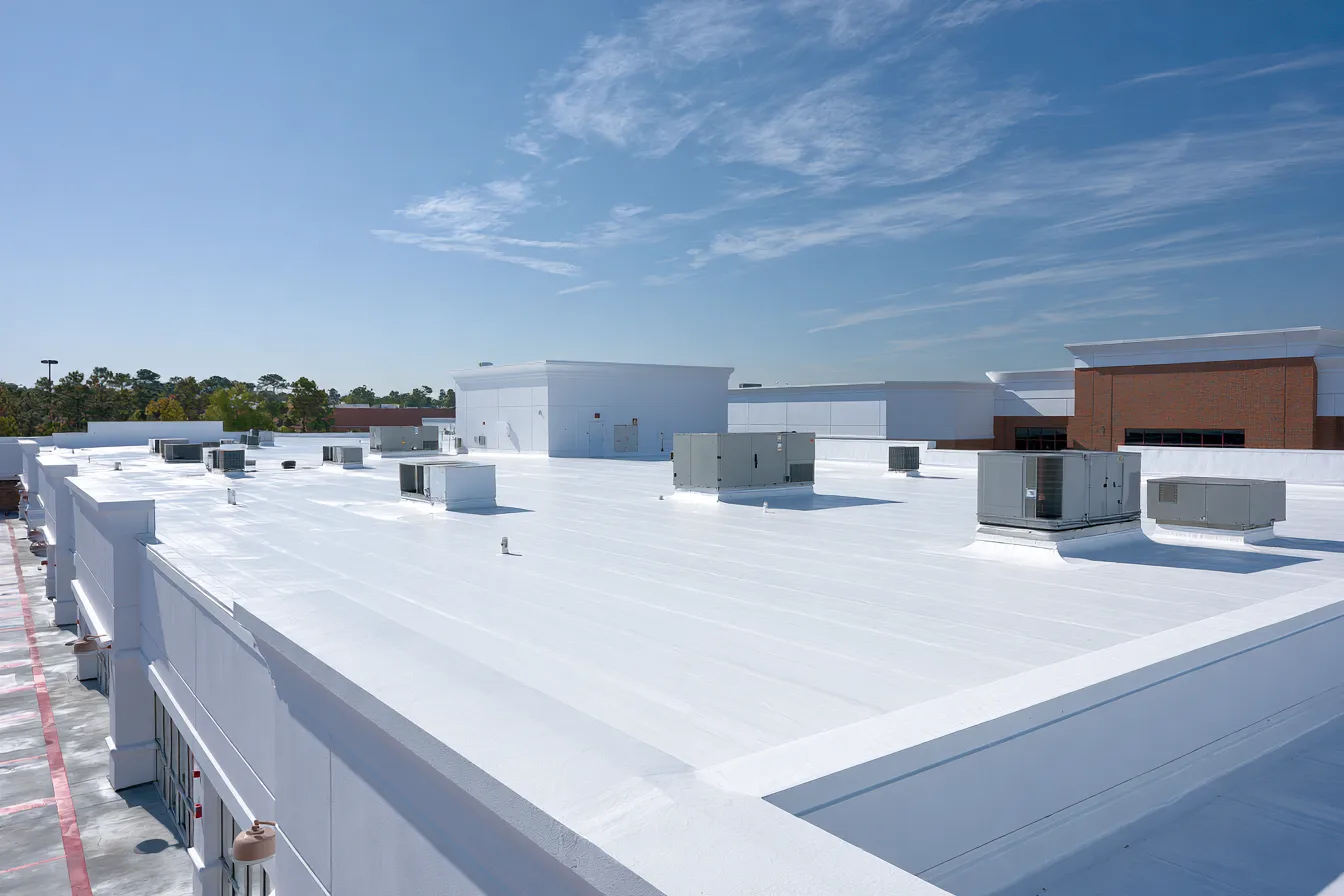
A compatible TPO repair must join properly to the existing membrane. Weathering, dirt, coatings or old repair compounds can affect preparation and weldability. The roofer needs to establish whether a sound, reliable connection can be made and whether damage extends beneath the visible opening.
Curbs and penetrations need particular care because the roof changes direction there. A patch in the field does not correct a loose termination above it, a failed corner or an equipment-related opening. The repair boundary should follow the failure through the whole detail.
Compatible membrane, suitable preparation and a checked welded connection.
Corners, changes in plane and upper terminations that keep water outside the assembly.
A continuous connection into the drainage detail and around roof penetrations.
Wet or deteriorated insulation cannot be made sound by covering the opening alone.
A replacement scope begins with the assembly and works outward. The selected system’s details and requirements govern the installation.
Establish what is sound enough to retain and where wet or deteriorated layers need removal. Further investigation may be necessary where the existing roof conceals its condition.
The supporting layers and fastening or adhesive arrangement need to suit the deck and selected system. Drainage changes may require tapered insulation or other designed work rather than simply laying a new sheet over a low spot.
Membrane sheets, welded laps, perimeter details and penetrations work together. Curb corners and transitions deserve the same attention as the large open roof area.
Seams and details are checked as the work proceeds. Walkway protection and service routes should account for equipment access so regular building maintenance does not repeatedly cross vulnerable areas.
A recover places a new roof system over a retained assembly. That can reduce removal only when the existing roof is a suitable base.
The retained assembly must be dry, sound, adequately attached and compatible with the proposed system. Deck capacity, existing layers, applicable requirements and the roof’s present condition all affect the decision.
Wet insulation, damaged supporting layers, widespread deterioration or unresolved attachment problems can require removal. A new membrane would otherwise hide the reason the old roof is failing.
It may be repairable if the membrane can be prepared and joined reliably and the surrounding assembly is sound. Age alone does not settle it, but weathering and previous treatments can limit the available repair.
A new membrane does not automatically change roof slope or outlet height. Drainage needs its own assessment so blocked outlets, low spots or structural movement are addressed as appropriate.
Thickness is one specification within an assembly. Attachment, reinforcement, insulation, use, detailing and the intended warranty path also matter. Compare complete systems for the actual building rather than a thickness number alone.
Rooftop equipment needs service access, but unnecessary or poorly protected traffic can damage a membrane. The plan should identify appropriate walkways and protection for the service routes.
Reflectance can affect the roof's heat exposure, but the building's insulation, use, equipment and other conditions affect energy performance.
Share the building location and what is happening at the roof. A free inspection can help define the TPO repair or replacement scope.