Keep a workable covering
One failed flashing detail or damaged section may be repairable when the adjoining material remains sound and compatible. A repair should make a useful connection without unnecessarily disturbing the rest of the roof.
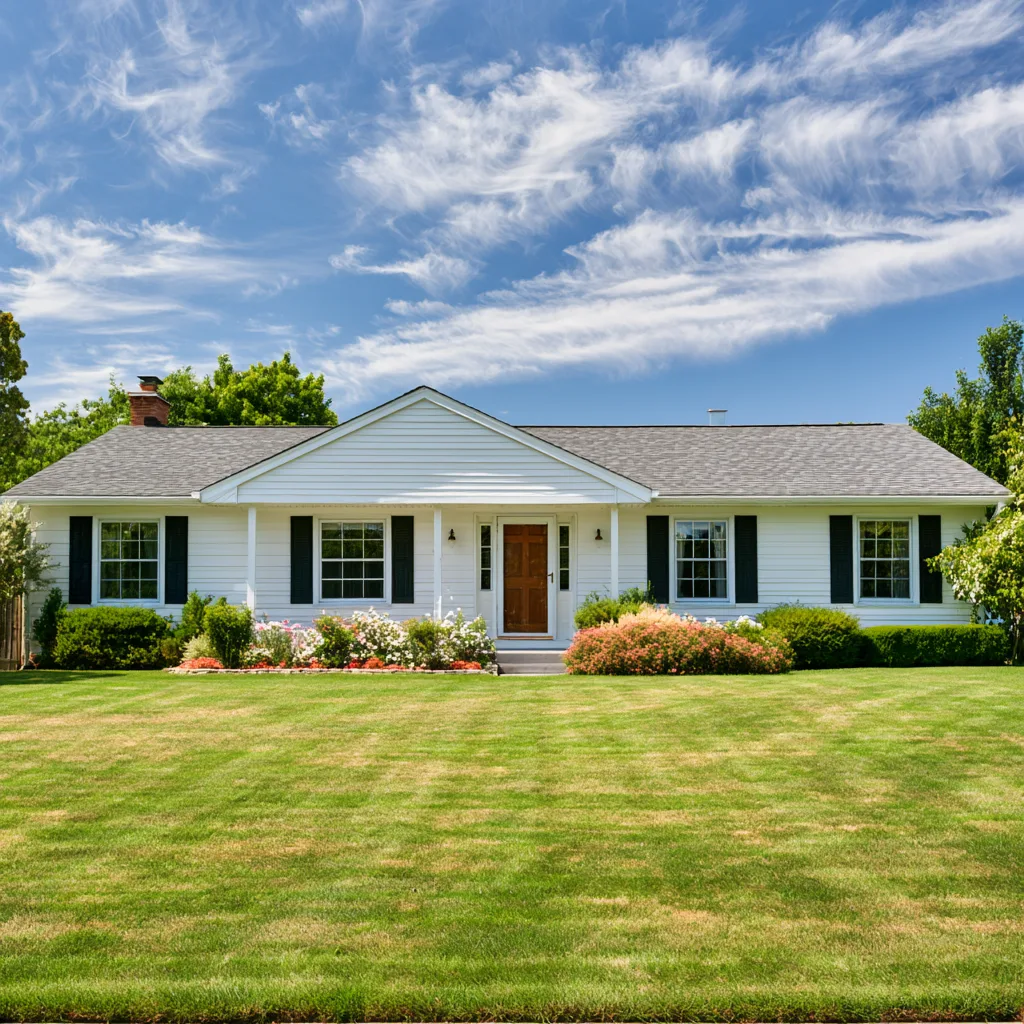
Roofing help for Valley View Estates homes, with attention to the roofline, actual slope and the materials that belong on it. Start with a free roof inspection.
A low, long roofline can be part of what makes a home feel settled into its lot. Keeping that appearance does not mean accepting a leaking edge or putting the same material on every roof plane. A useful repair or replacement considers the form you want to retain alongside how the roof sheds water.
Sean Mitchell’s 2018 account of Valley View Estates in D Magazine describes his family's 1956 home with a low side-gabled roof and wide eaves among a mix of traditional and modern homes.
That context makes one roofing question especially useful: what covering belongs on the actual slope of this roof? The inspection can connect the present materials, any later additions and the roof’s drainage details to the answer.
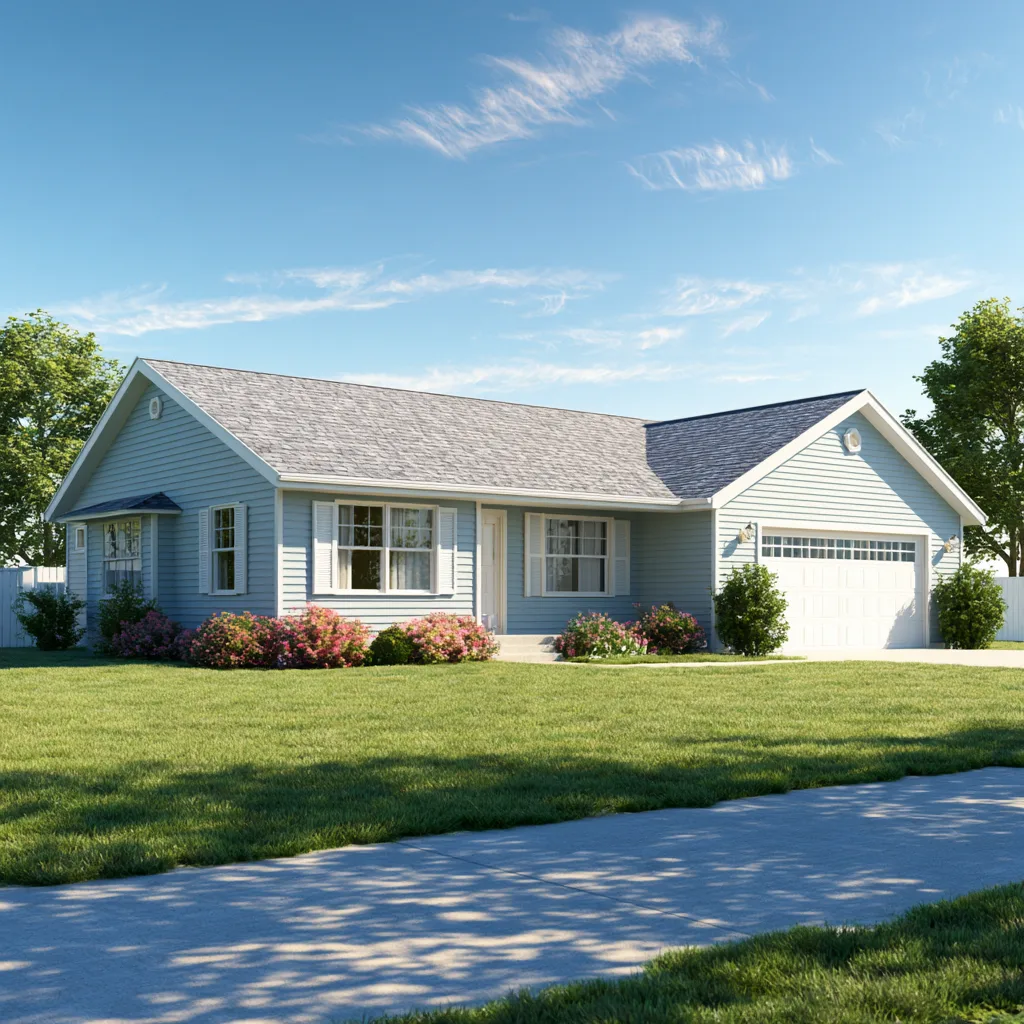
A roof that looks shallow from the street still needs its pitch established at the property. Asphalt shingles are intended for qualifying slopes and assemblies. Very low-slope sections need a system designed for that condition, while qualifying lower shingle slopes can have additional underlayment requirements.
A porch or addition may differ from the main roof even when its edge looks continuous. The material transition must carry water onto the next roof area rather than leave an exposed joint or rely on surface sealant. The selected manufacturer’s requirements and the existing structure guide that detail.
Wide eaves do not remove the need for sound edges and ventilation. Water still has to leave the roof without reaching vulnerable backing, and an intake path must be understood before changes are made to exhaust ventilation.
The slope of each relevant plane, including additions and porch roofs.
The covering and layers present now, which may differ from the original home.
Edges, walls and transitions that control where water goes.
A roof replacement can respect the existing roofline while correcting weak details. Material profile and color affect the appearance, but deck condition, underlayment and flashing determine how the replacement connects to the house. Those choices should be considered together.
At a lower roof area, retaining the look may involve a different covering from the steeper main slope. At a wall or chimney, the roof detail has to work with the vertical surface above it. If a later alteration changed the drainage path, the replacement scope should account for that change rather than repeat the old arrangement by default.
Valley View Estates and the later Valley View Park Estates are distinct developments in the historical account. For your property, we use the street address, current roof assembly and applicable requirements to plan the work.
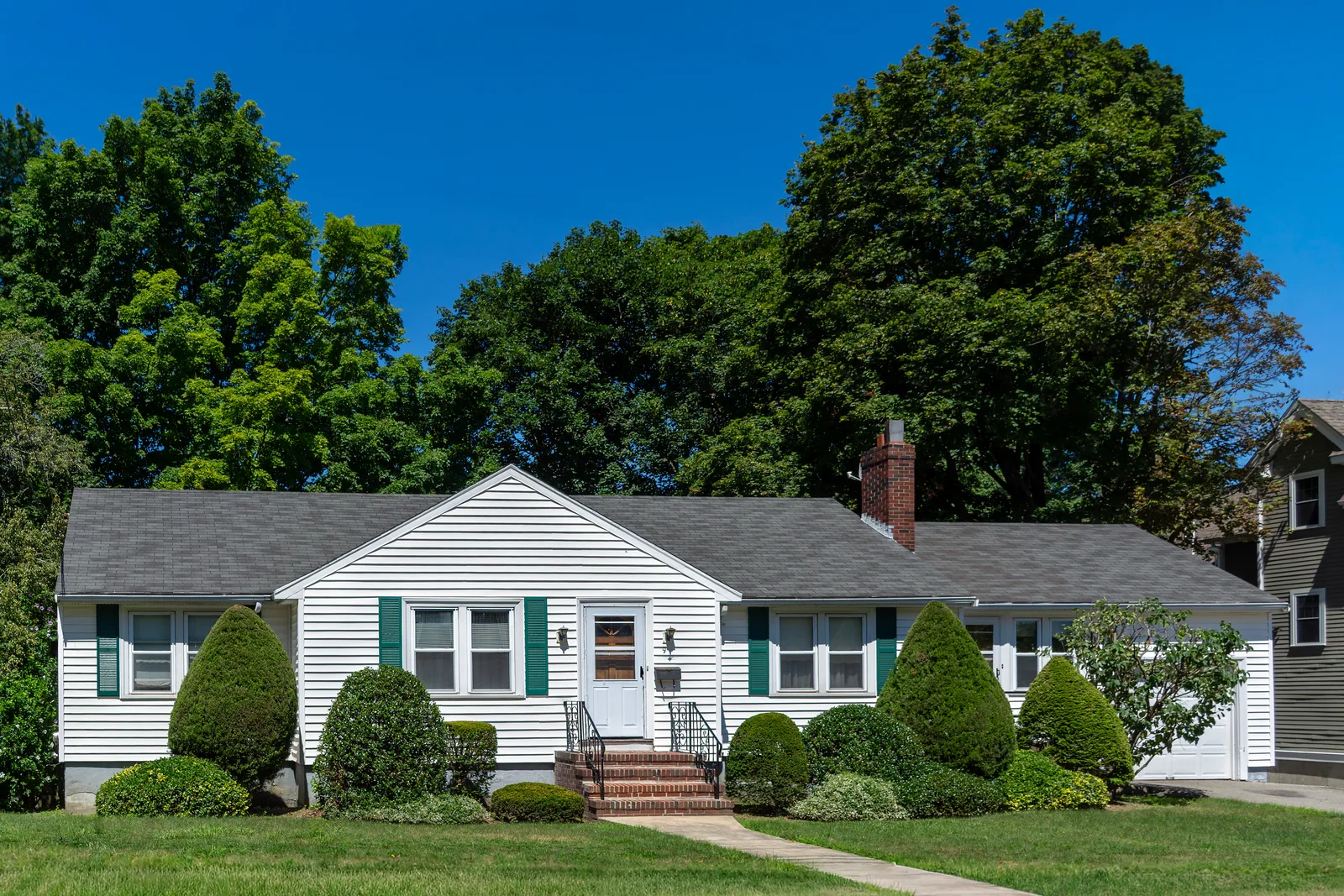
One failed flashing detail or damaged section may be repairable when the adjoining material remains sound and compatible. A repair should make a useful connection without unnecessarily disturbing the rest of the roof.
A covering that breaks during repair, repeated failures across the roof or damage beneath several areas may justify a broader project. The condition today matters more than the original construction date.
It depends on the actual pitch and selected system. GAF’s steep-slope guidance, for example, sets a minimum 2:12 pitch for asphalt shingles and has additional requirements at qualifying low slopes. The roofer should establish the slope and suitable assembly rather than decide from the street view.
Not necessarily. A replacement can consider the existing profile and color while correcting the layers and details beneath it. Where a roof plane needs a different system, its suitability and visible effect should be discussed together.
It may be possible when the repair has a sound boundary and the connection to the house is properly detailed. The porch’s slope and material may require a different method from the main roof.
Not always. Weathering, discontinued products and changes in color blends can make a repair visible. The roof needs a compatible repair first, with the expected appearance explained before work begins.
We can begin with its current condition. Any records you already have can help; the inspection checks the covering, earlier repairs and supporting details.
Tell us about the roof you want to keep working and any leak or change you have noticed. Request a free inspection for your Valley View Estates home.