Sound roof, suitable surface
A dry, secure assembly with a compatible substrate may be a useful candidate after cleaning, adhesion evaluation and detail preparation. The selected coating system’s requirements still govern the work.
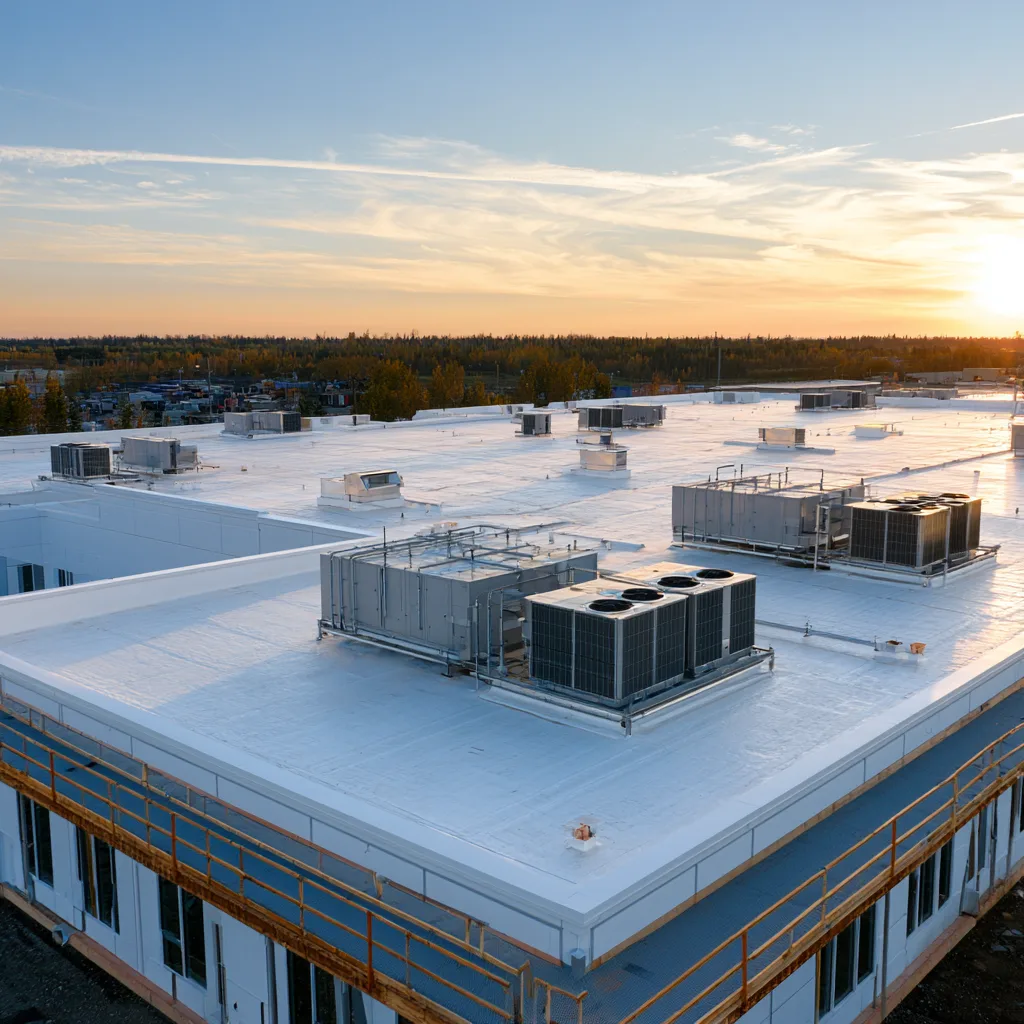
A roof coating can be useful when the roof underneath is worth keeping. Find out what must be repaired and verified before restoration is considered for your Farmers Branch building.
Coating is a restoration decision for a suitable existing roof. The liquid-applied system becomes a protective surface, but it relies on the roof below it for support, attachment and drainage. It cannot turn wet insulation or deteriorated decking into a sound assembly.
That makes preparation central to the decision. The roof needs to be identified, evaluated for moisture and checked for compatibility and adhesion. Seams, penetrations, drains and damaged areas may need repair before the coating system is applied.
Start with the condition of the roof you have. When it is a viable restoration candidate, the proposed scope should explain the preparation and details that make the coating useful, not just the color of the finished surface.
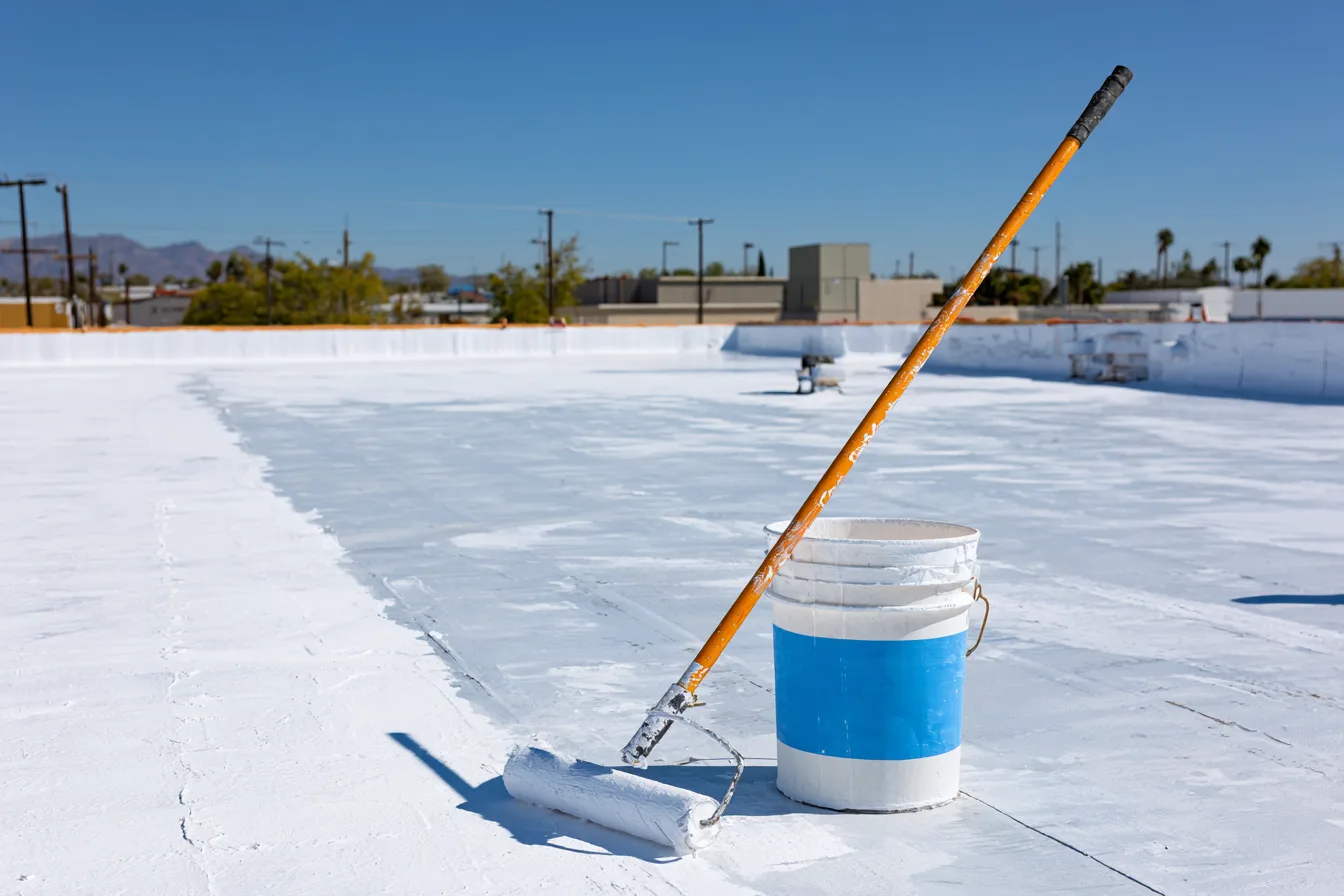
The amount and location of deterioration matter. A roof can be a restoration candidate without being ready to coat today.
A dry, secure assembly with a compatible substrate may be a useful candidate after cleaning, adhesion evaluation and detail preparation. The selected coating system’s requirements still govern the work.
A defined area of damaged membrane or wet insulation may need removal and repair before the surrounding roof can be restored. The repair boundary must be based on the actual moisture and material condition.
Broad moisture problems, weak attachment or damaged supporting layers can make coating the wrong scope. A new surface would leave the main problem inside the roof rather than address it.
The finished coating is the last part of a sequence. Skipping preparation can leave it poorly bonded or bridge details that still move or leak.
Drainage remains part of the roofing work. Some systems tolerate standing water differently, but a coating is not a substitute for evaluating blocked drains, poor falls or deflection. Traffic routes may need separate protection where service crews regularly reach rooftop equipment.
Identify the roof, previous treatments, moisture condition and attachment. Adhesion checks help establish whether the selected coating will bond to the prepared surface.
Remove or repair wet and damaged areas as required. Clean and dry the substrate and address seams, curbs, drains and penetrations before treating the open field.
Primer, reinforcement, base coats and finish coats depend on the selected system and substrate. Coverage and finished thickness need to follow that system, including the details around interrupted areas.
Weather, substrate moisture and cure conditions affect application. Protect the completed surface from unsuitable traffic, and account for equipment service before the work is treated as finished.
Coating chemistry should suit the existing roof and its conditions. Previous repairs, surface treatments, drainage and the type of substrate affect compatibility. A product’s suitability for one roof does not establish that it belongs on another.
Reflective finishes can change surface heat exposure. We consider that benefit alongside the existing roof, building insulation and the chosen coating system.
The existing membrane, insulation and supporting layers that remain in service.
Wet areas, seams, flashings and drainage-related work needed first.
Compatible preparation, application requirements and the terms that apply to that complete system.
No. Leak sources and damaged layers need to be found and repaired as part of the work. Applying coating over an unresolved opening, wet insulation or a loose detail may leave the cause untouched.
No. A coating restores a qualified existing surface. A recover installs a new roofing assembly over retained layers, while a tear-off removes material first. Each option has different conditions and work requirements.
The drainage condition and the selected system have to be evaluated. The coating does not change roof geometry or repair a blocked or incorrectly arranged outlet by itself.
Some systems may allow renewal after evaluation and preparation, but remaining adhesion, surface condition, compatibility and the manufacturer's requirements determine the next step.
Service depends on the existing assembly, system, preparation, exposure and maintenance. Any stated warranty or service term should be tied to the selected product and contractor agreement, rather than a blanket number for every roof.
Tell us about the existing roof, leaks and previous work you know about. Request a free inspection to discuss whether restoration is a useful option.