A localized repair
Damage confined to a limited area may be repairable when the surrounding shingles are workable and compatible replacements are available. The scope should explain the boundary and the likelihood of a visible color difference.
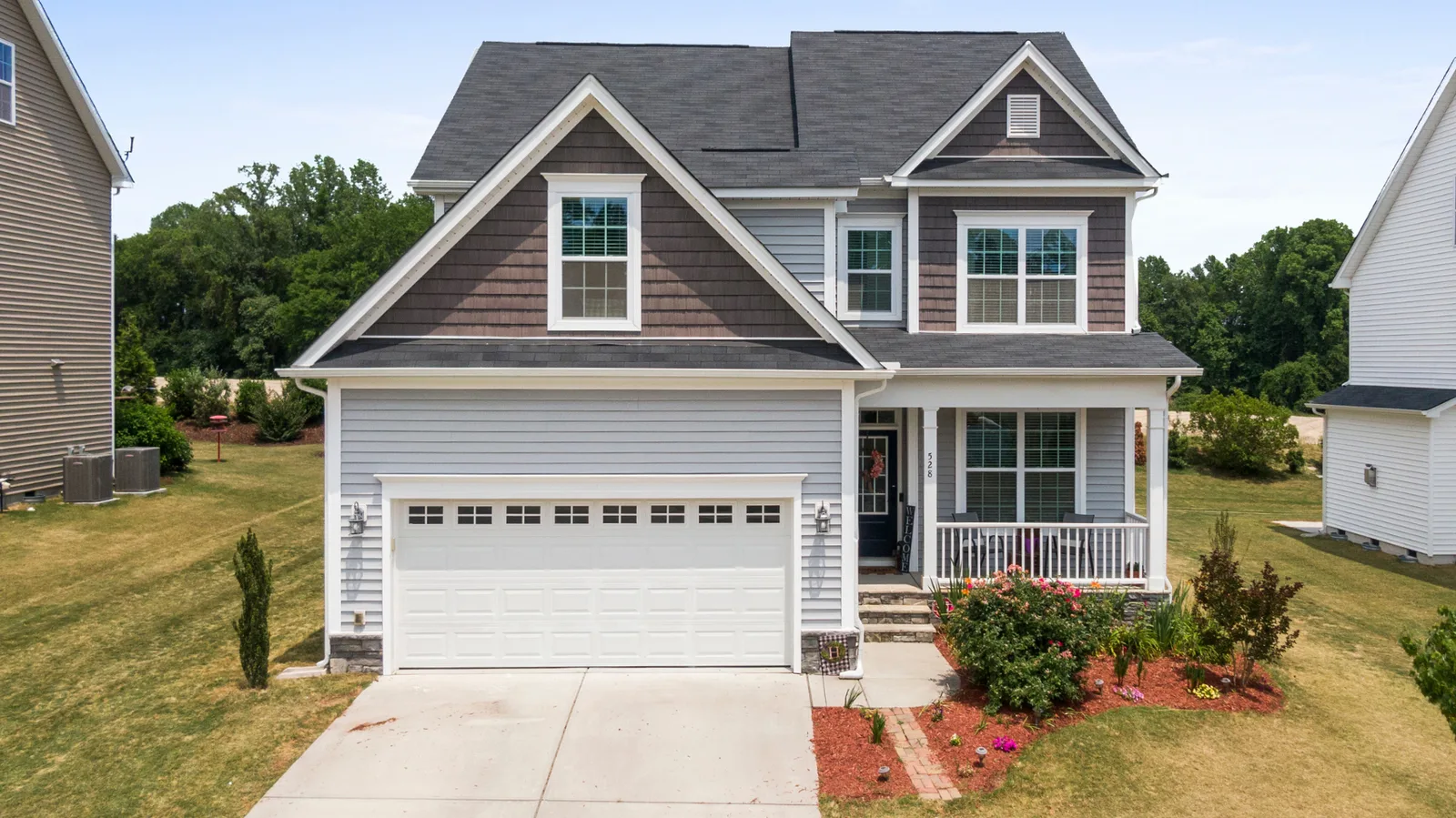
After hail, the useful question is what happened to your roof. A free inspection examines the covering and its details before the repair or replacement decision.
Hail can leave a roof looking largely unchanged from the yard. On the surface, an impact may disturb the protective granules or damage the shingle beneath them. A roof inspection connects that concern to the actual condition instead of treating the size of a nearby hail report as a verdict for your home.
The work depends on where damage is found, how far it extends and whether the surrounding covering can support a repair. A roof that does not leak immediately can still need attention. Equally, an old or weathered roof does not become storm-damaged simply because hail fell in the area.
Tell us what you observed and whether anything changed inside the house. You do not need to count impacts or climb up to decide whether to ask for help.
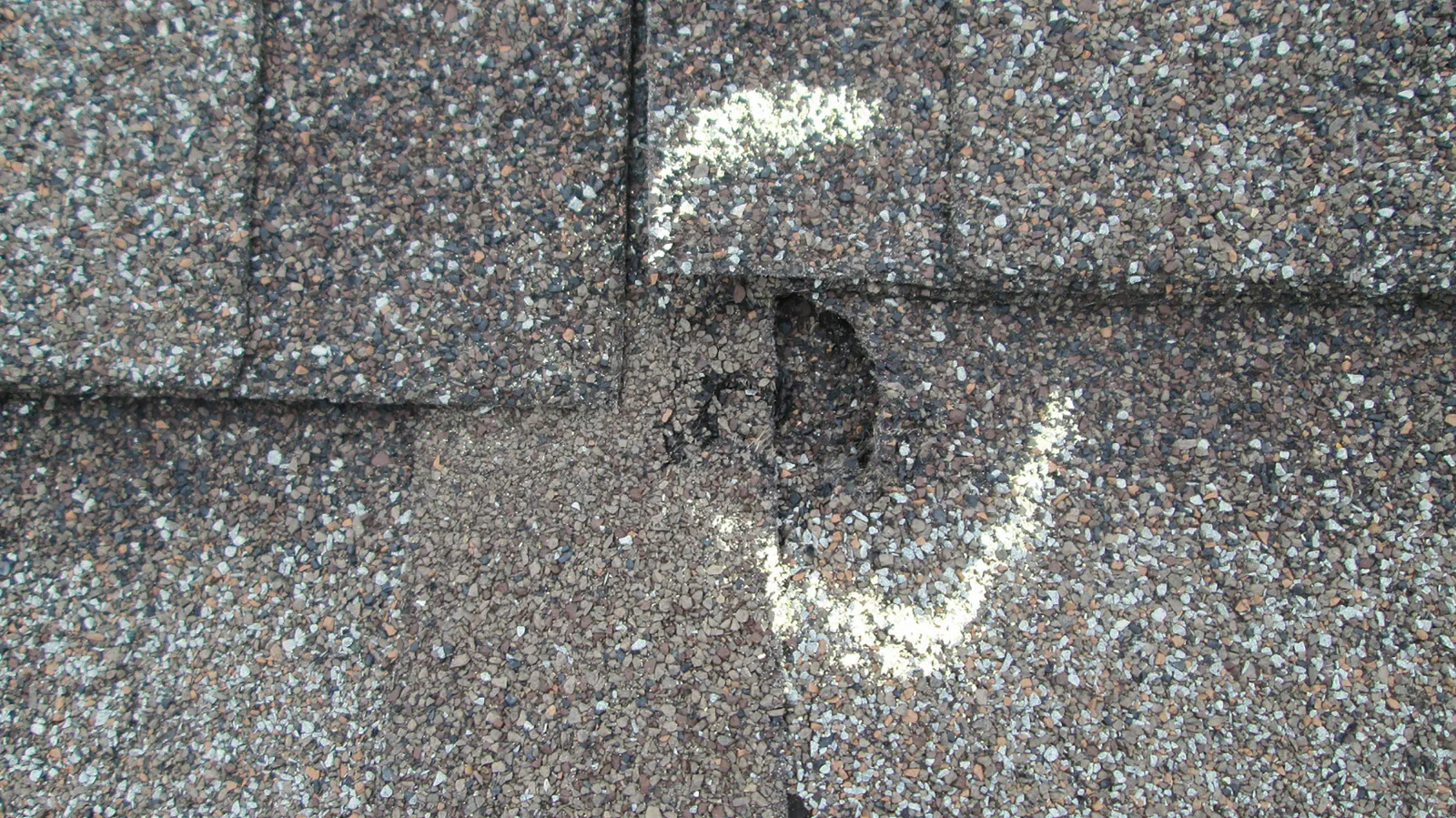
A shingle has to keep its protective surface and underlying structure working together. A damaging strike may break or weaken that structure. Loose granules by themselves can also come from age, installation or ordinary weathering, so their presence does not establish the cause without examining the roof.
Metal vents, gutters and other exposed details may show dents that help tell the story of an event. Those marks are not a measurement of damage to every shingle beside them. The inspection considers the covering, softer metal components, flashing and the pattern across the roof as related evidence with different roles.
Wind can occur with the same weather and lift or crease shingles. Distinguishing those failures helps define the repair and avoids describing every condition as the result of one cause.
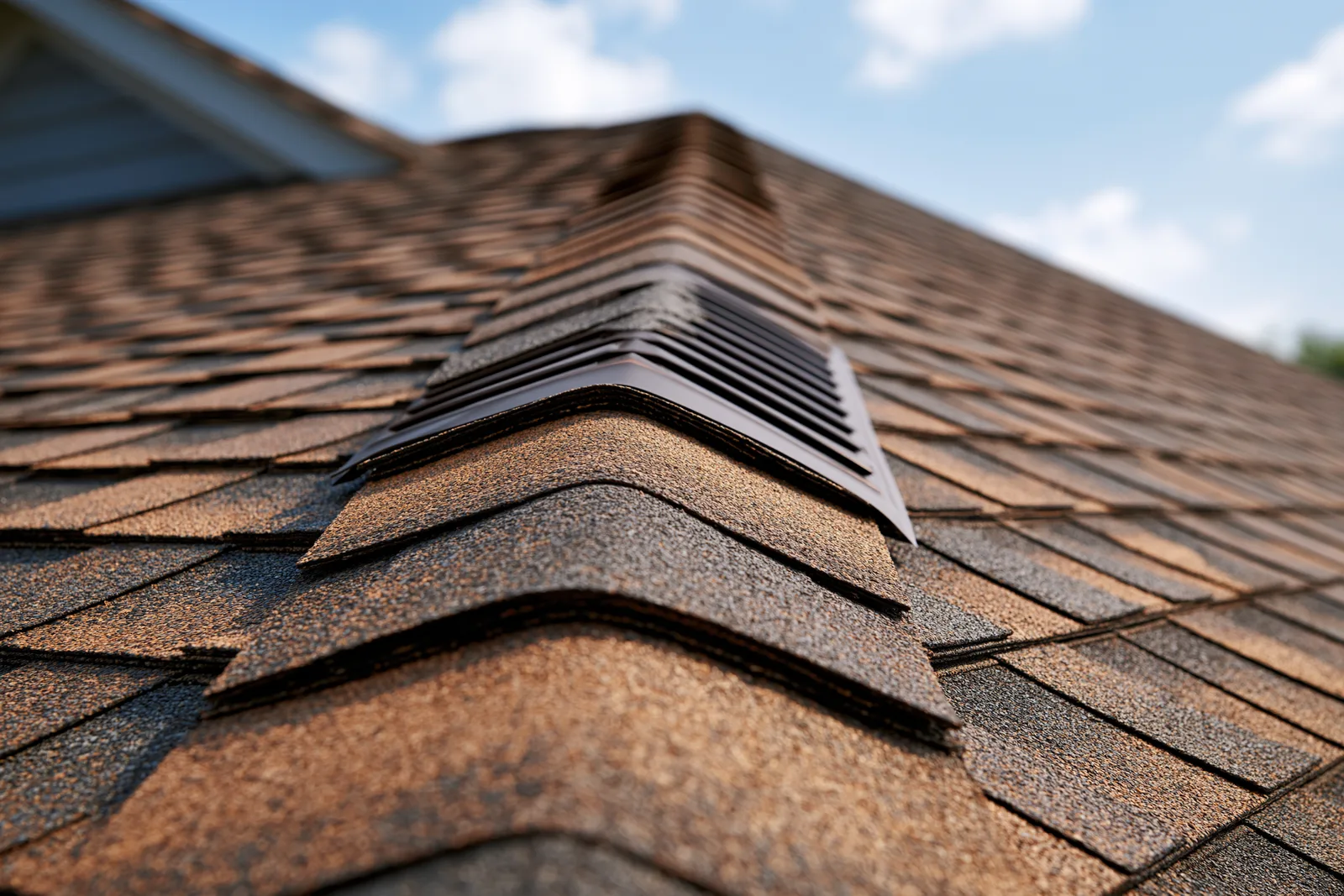
The roofing decision starts with the damaged material and the roof it has to join.
Damage confined to a limited area may be repairable when the surrounding shingles are workable and compatible replacements are available. The scope should explain the boundary and the likelihood of a visible color difference.
Damage across multiple slopes, brittle adjoining shingles or deteriorated supporting layers can make a collection of small repairs impractical. The reason should be visible in the roof findings, rather than assumed from its age or a storm map.
Some conditions require further examination to distinguish damage from existing wear or to understand concealed layers. The roofing scope and any insurance decision may develop separately as that information becomes available.
A roofer assesses the physical roof. Your insurer determines coverage under the policy, including the cause of loss, exclusions and any applicable deductible. A recommendation to repair or replace does not by itself mean the insurer owes for that work.
The Texas Department of Insurance explains that ordinary age or wear is not a reason for insurance to buy a new roof. The roof insurance guide separates roof findings from deductibles, depreciation and payment terms. If a claim is involved, keep the insurer’s communications and the actual proposed roof scope connected, without treating them as interchangeable.
What happened, when it happened and what was observed at the property.
The damaged components, their extent and the work needed to address them.
The insurer’s coverage determination and the policy terms that affect payment.
A leak is not the only reason to have the roof examined. Impact damage may affect the covering before water becomes visible indoors. An inspection can establish whether roofing work is needed.
No. Class 4 describes performance in an impact test. It does not guarantee that every hail event will leave the roof undamaged, and it does not establish your insurer’s coverage or discount rules.
Not always. Existing wear, prior events and later weather can complicate the cause and timing. Property history and observations help, but uncertainties should remain clear.
Protecting people and reducing further exposure can be important while a claim is unresolved. Discuss temporary measures with the roofer and the insurer’s documentation requirements. A temporary measure does not settle coverage or the final roof scope.
The function and condition of the component matter. Cosmetic marks and damage that affects performance are different questions, and policy treatment may differ as well. The roof findings should explain that distinction.
Tell us about the hail event or the change you noticed. Request a free inspection for your Farmers Branch property.