A repair price
The work covers a defined failure and the material needed to reach and rebuild it. Access and a complicated wall or chimney connection can make a small visible defect a more involved repair.
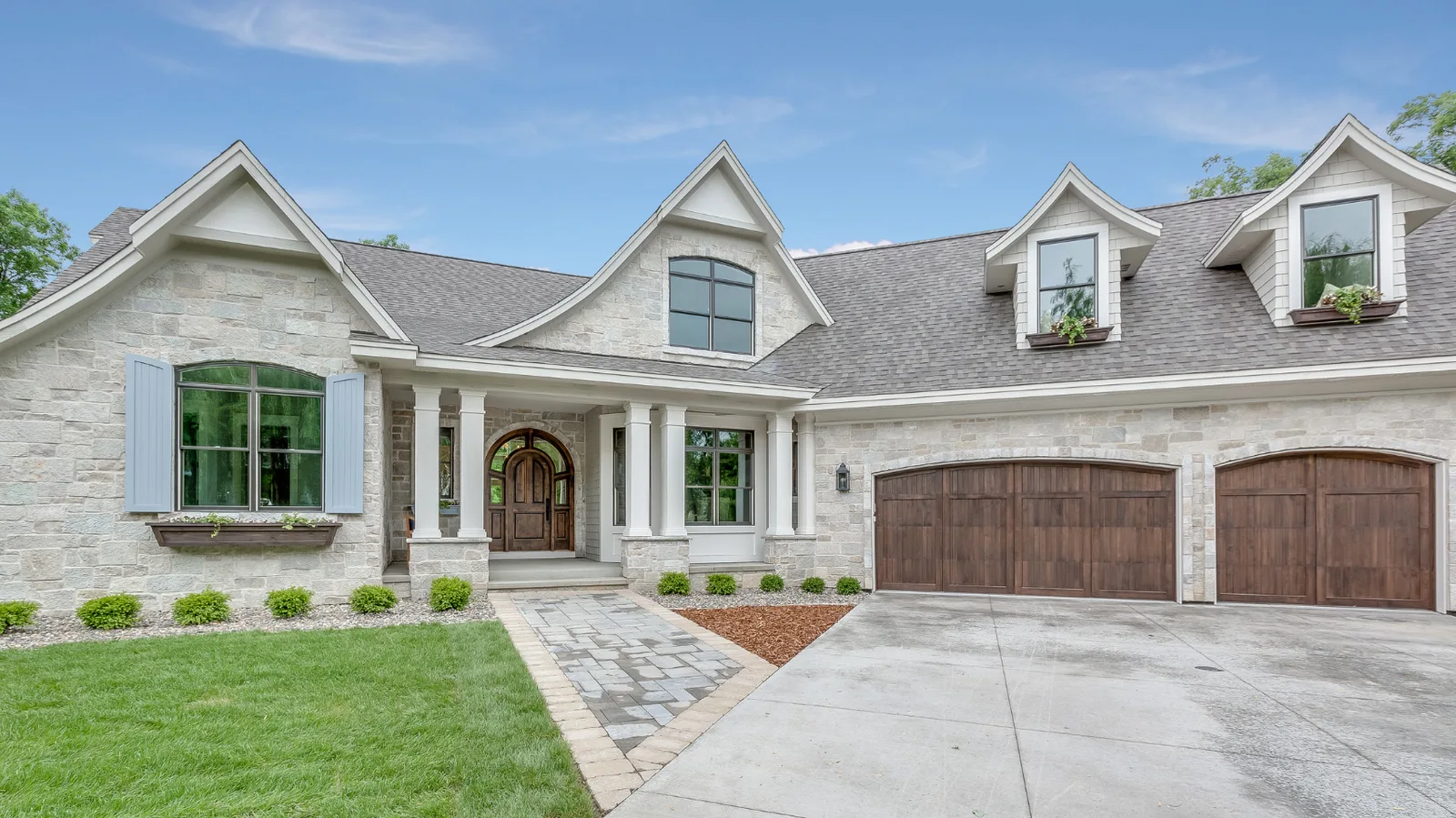
Understand the work behind a roof replacement budget in Farmers Branch. Compare a dated DFW example, then see why the actual roof scope can change the price.
A roof budget becomes more useful when the size, material and included work are visible. Without those assumptions, a low number may describe a different project from the one your home needs.
This guide starts with a published regional example, then explains the scope questions that turn that example into a roofing conversation. You do not need to measure your roof to learn from it. The actual property assessment supplies the dimensions and conditions for a contractor’s proposal.
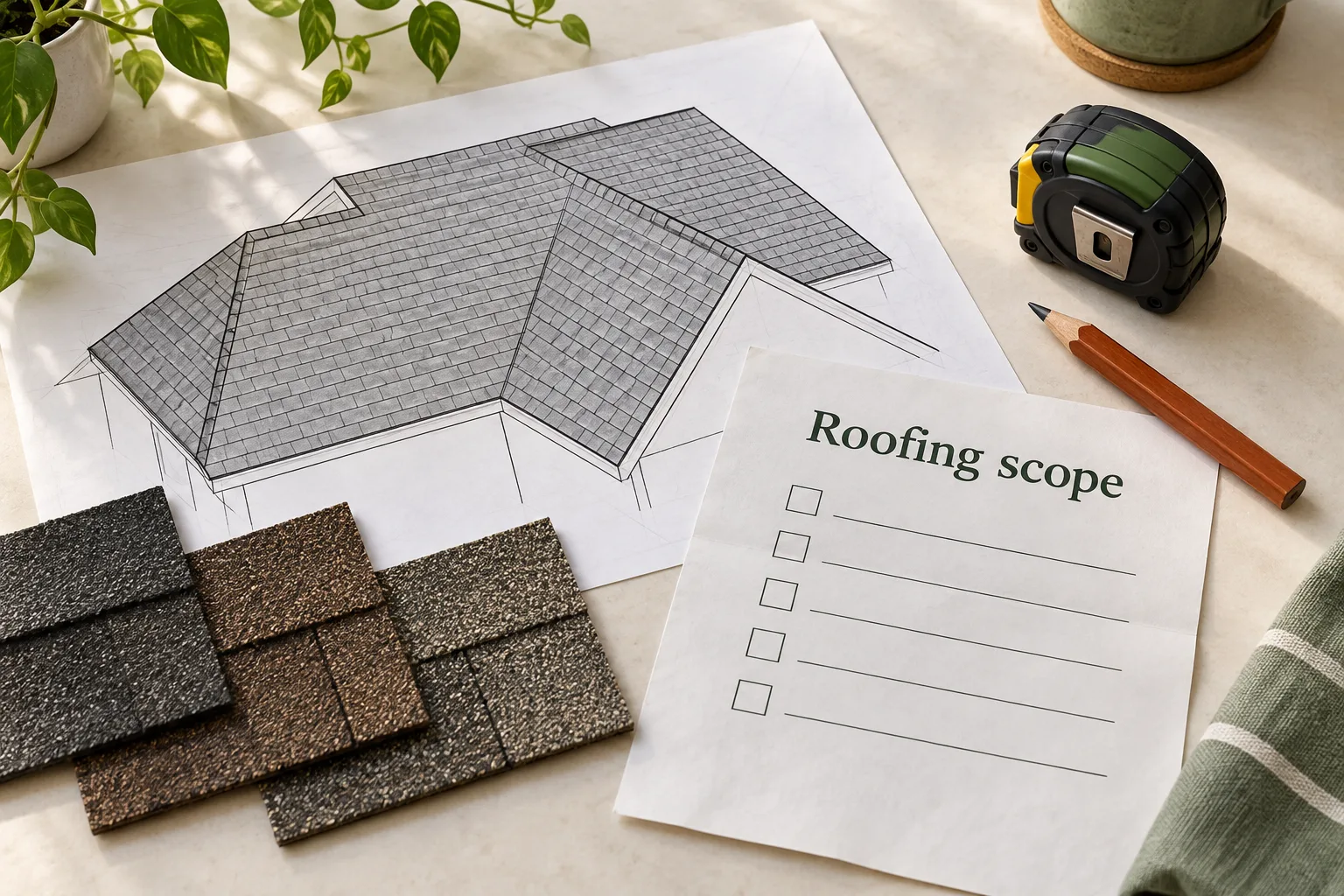
These DFW budgets keep the roof surface at 2,000 square feet so you can compare the three shingle options.
Roof surface is the sloped area receiving roofing. It is not the combined living area of all floors. Keep this example if you do not already know the roof measurement.
| Shingle choice | Budget per roof sq. ft. | Example: 2,000 roof sq. ft. |
|---|---|---|
| Three-tab | $3.50–$5.00 | $7,000–$10,000 |
| Architectural | $5.00–$8.00 | $10,000–$16,000 |
| Class 4 impact-rated | $6.50–$10.00 | $13,000–$20,000 |
DFW installed budgets include materials, labor, ordinary tear-off, disposal and permits. Concealed damage, access and roof design can add work.
The amount of roofing is only the start. A steep, cut-up roof can take more work to access and detail than a simple roof of the same surface area. Valleys, dormers, chimneys and walls add connections that must be opened, rebuilt and tied into the covering.
Removal also matters. Existing layers and disposal arrangements affect labor, while damaged decking may only be fully visible after tear-off. A useful proposal explains how that additional work is handled instead of disguising uncertainty inside an unexplained allowance.
Access and the building’s use influence the work plan. Material staging, debris routes and equipment can be straightforward on one property and constrained on another. Those conditions belong in the project-specific price once the work has been assessed.
Selected shingles, flashings, valleys, vents and perimeter work.
What is removed, what is retained and how damaged supporting material is addressed.
Practical arrangements, payment terms and the process for approving additional work.
The repair decision is not a fixed percentage of a replacement price. It asks whether the proposed work can solve the problem and connect to a roof that remains useful.
The work covers a defined failure and the material needed to reach and rebuild it. Access and a complicated wall or chimney connection can make a small visible defect a more involved repair.
The scope covers the roof assembly across the agreed area, with removal, supporting layers and details considered together. Comparing only the shingle name can miss meaningful differences between proposals.
Not reliably. A roof covers the building footprint, while its slopes and overhangs add surface area. The living area of a second floor does not add another roof above it. Use the example unless you already have the right roof measurement.
They may include different removal, decking, flashing, ventilation, access or material work. The same shingle description does not make the underlying scopes equal. A clear explanation of what each proposal includes is more useful than comparing totals alone.
The roof scope and contractor agreement are separate from the insurer’s coverage and payment decision. Deductibles, excluded work and policy terms can affect what you pay even when a claim is accepted.
The opening, access and supporting work determine the scope. A small visible gap at a complex chimney can require more work than replacing an accessible damaged shingle.
No. The budget covers the installed work listed above. Roof complexity, concealed damage, product selection and access determine any additional work.
Tell us what you are considering and what has changed on your roof. A free inspection helps connect your budget to a defined scope of work.